Barter Tables in Restaurants: How Restaurant–Influencer Collaborations Work
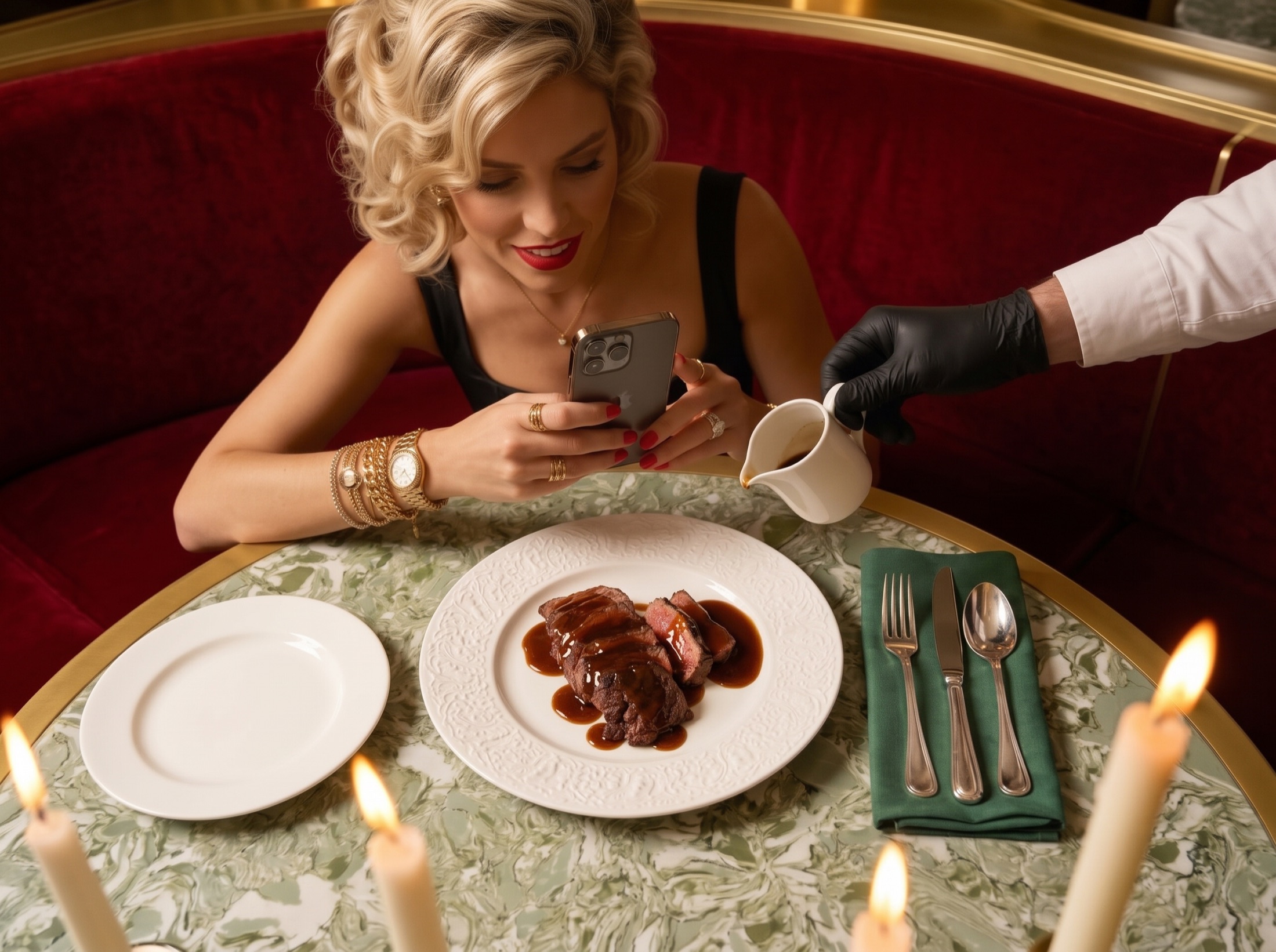
A restaurant giving a free table to an influencer looks like a pure loss at first. In reality the cost of one dinner is nothing compared with an ad campaign, and an honest post from a real guest often works better than staged advertising: the creator's audience sees a real experience – the interior, the plating, the mood – without the "sponsored" feel that instantly triggers distrust.
How a restaurant chooses a creator
It's not just follower count. The restaurant looks at where the creator's audience lives, whether their content fits the venue and how engaged their followers are. The venue can choose from the creators who applied to an offer, or invite a specific creator directly if it already likes their work.
From invitation to post
The restaurant publishes an offer – what the guest gets and what kind of content it expects, in what format and by when. A creator applies or receives a direct invitation, and the venue confirms the visit without long approvals. The creator comes, has dinner and shoots in their own style – no script, no edits from the venue – and the post goes live on the agreed date.
The format works especially well for places with beautiful plating and interiors, new venues that need to be noticed quickly, and seasonal menus or openings – a series of collaborations creates a wave of real content around a specific date. It's the same in Moscow, Dubai or Almaty – only the local audience changes.
One table or several – the restaurant decides
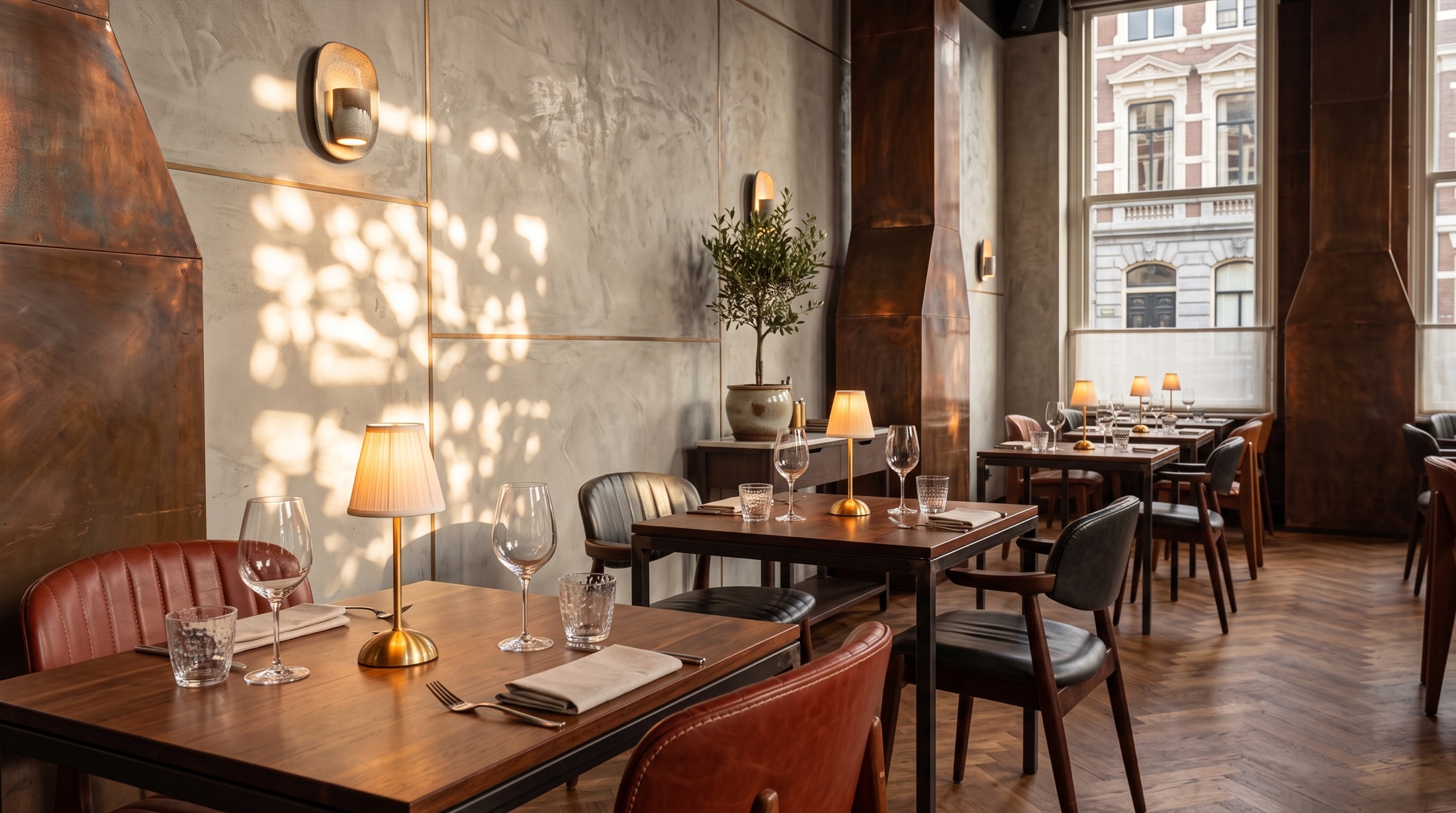
The venue chooses how to seat creators. Everyone at one table makes a shared dinner that's easy to film together. Separate tables across the room add another benefit: the room looks lively and full, with stylish, beautifully dressed guests – and other diners notice it.
If the look of your guests matters, say so in the terms. A dress code – "no sneakers", "evening" or "elegant" – goes into the offer, and the creator sees it before booking.
What most often ruins the result
The main mistake is inviting a creator without clear terms on format and timing – then the outcome is unpredictable for both sides. The second is judging creators only by follower count, ignoring engagement and audience location. The third is stopping at one collaboration: the noticeable effect comes from a series of posts by different creators, not a single visit.
Want to compare barter with paid promotion in numbers? Read How much does it cost to invite an influencer.
How it works without a manager for every visit
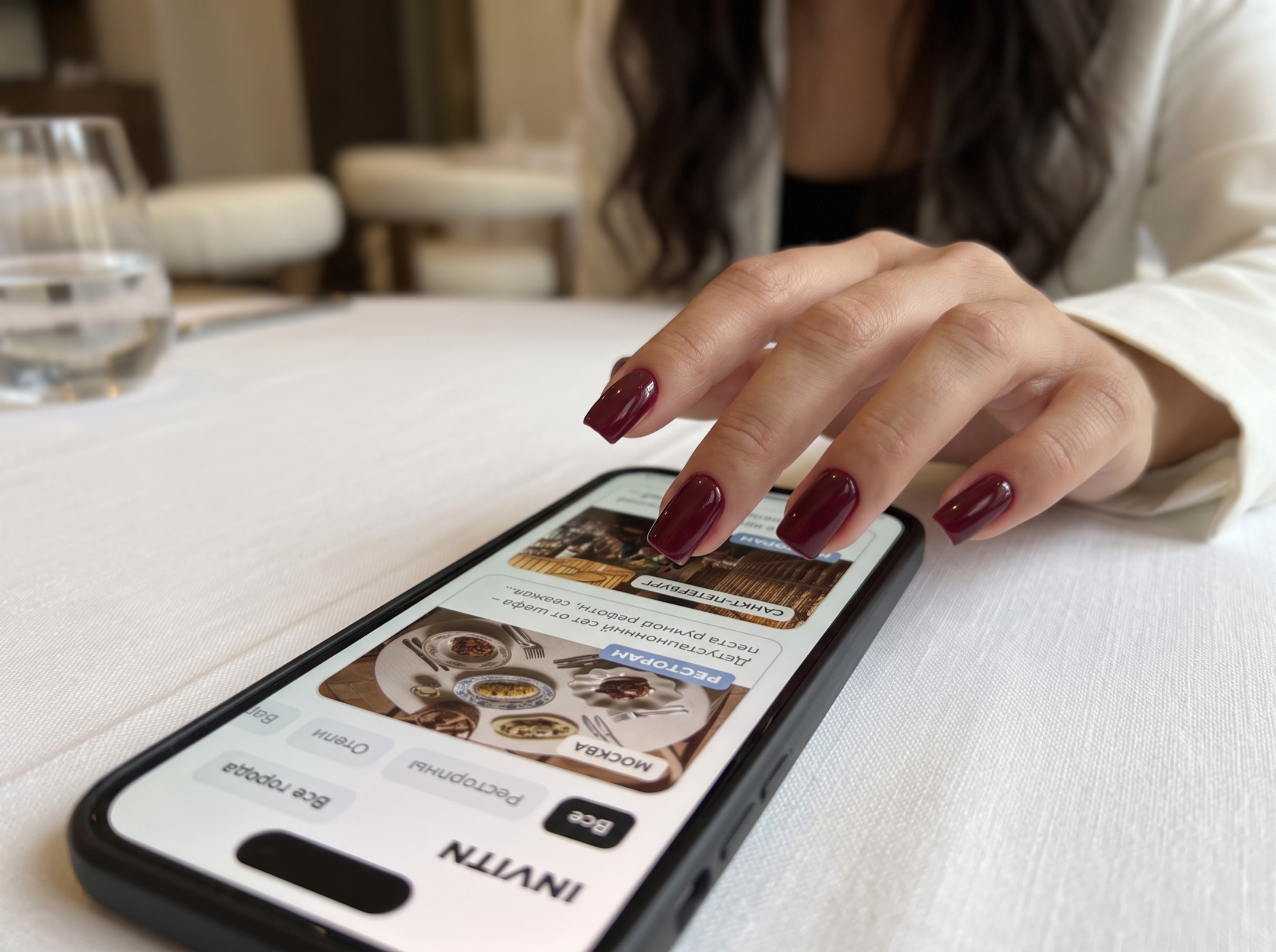
These collaborations used to rely on personal arrangements and DMs – no transparent terms and no guarantee the creator actually fits the venue. Platforms like INVITN formalise the process: the venue sees the creator's profile and audience before agreeing, and the whole collaboration history stays in one dashboard.
If you run a restaurant, hotel or aesthetic clinic and want to start working with creators through barter, list your venue on INVITN – applying is free.